

Linguistic Hermeneutical Injustice

This is a post by Martina Rosola (University of Barcelona).

Referring to non-binary people in heavily gendered languages like Italian, German or Spanish is difficult because of structural features of the language itself. As a result, non-binary people are systematically misgendered: they are referred to either in the masculine or in the feminine despite non identifying as either men or women. This puts them at an unfair disadvantage and gives rise to a distinctive type of injustice, namely to an instance of what Miranda Fricker calls “hermeneutical injustice”.
 

What Is This Thing Called Propaganda?

Image attribution: Christopher Michel, CC BY 2.0 https://creativecommons.org/licenses/by/2.0, via Wikimedia Commons.

This is a post by Constant Bonard (University of Bern), Filippo Contesi (University of Cagliari) and Teresa Marques (University of Barcelona).

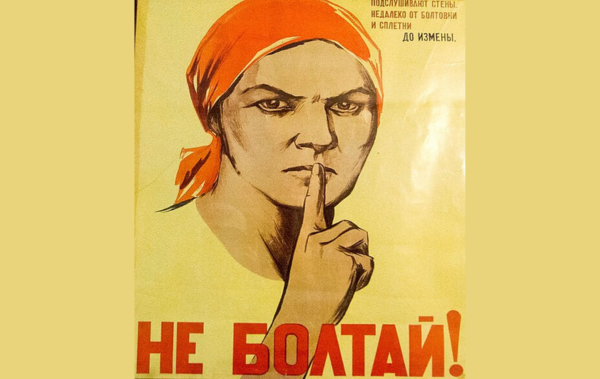
Propaganda is so ubiquitous a phenomenon in contemporary societies of all types that there would seem to be no problem in us understanding what it is. Still, we apparently continue to fall for it so often that perhaps we are not very good at recognizing it. It may be because we don’t really understand what propaganda is. Can the philosophical debate about how to define propaganda provide any help?


Controlling the Narrative: The Epistemology of Himpathy in Sexual Assault Trials

This is a post by Margherita Grassi (University of Barcelona) and Eleonora Volta (Vita-Salute San Raffaele University).

Article 111 of the Italian Constitution establishes that every trial must be conducted before a third and impartial judge and under conditions of equality between the parties. That means the judge must sentence based on the law, considering the facts and evidence presented during the trial, and without letting any opinion or prejudice about the parties influence their judgment.
In cases of gender-based violence, however, this required impartiality sometimes fails to be put into practice.